

Apples are one of the most popular and widely consumed fruits in the world. Now we are going to see apple fruit benefits. Known for their crisp texture and sweet-tart flavor, apples are not only delicious but also packed with numerous health benefits. In this article, we’ll explore the advantages and disadvantages of apples, the best times to consume them, the optimal quantity for good health, and precautions to consider before and after eating them.
Table of Contents
What is an Apple?
Apples come in thousands of varieties, ranging in color from red to green to yellow. Each variety has its own unique taste and texture, making apples a versatile fruit suitable for various culinary uses. Whether you prefer the sweetness of a Fuji apple or the tartness of a Granny Smith, there is an apple variety for everyone.
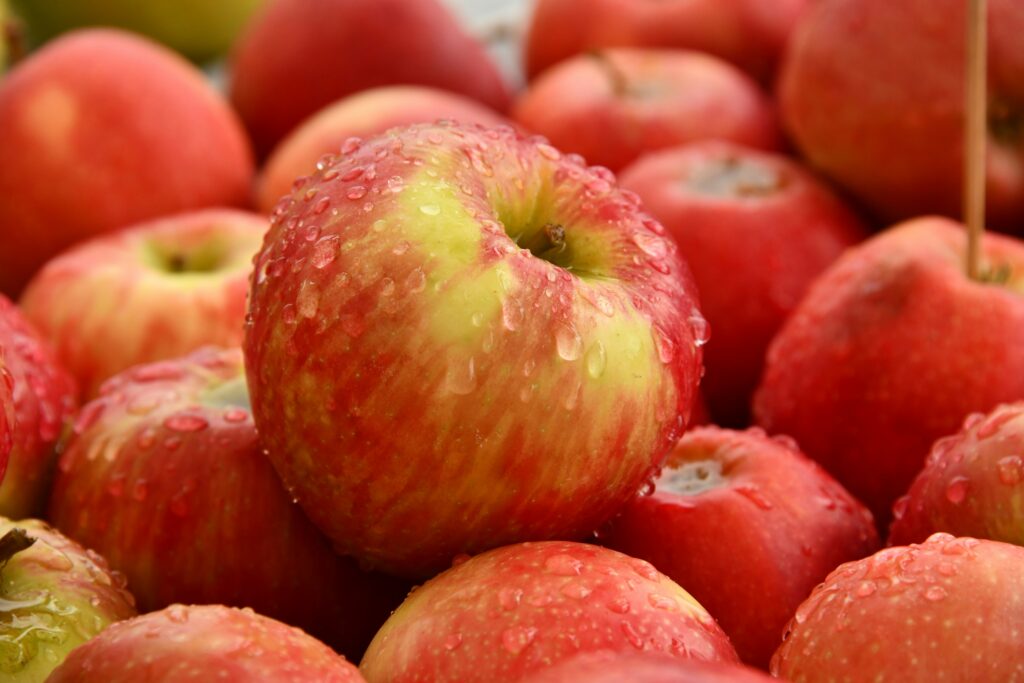
Nutritional value per 100 g
- Calories: 52
- Carbohydrates: 14 g
- Sugars: 10 g
- Dietary Fiber: 2.4 g
- Protein: 0.3 g
- Fat: 0.2 g;
- Vitamin C: 4.6 mg
- Potassium: 107 mg
Top Apple Fruit Benefits for a Healthier You
Rich in nutrients:
Apples are a good source of essential nutrients, including vitamin C, potassium, and dietary fiber. These nutrients play a crucial role in maintaining overall health and well-being.
High in antioxidants:
Apples contain various antioxidants, such as quercetin, catechin, and chlorogenic acid, which help protect the body against oxidative stress and inflammation.
Supports Heart Health:
The soluble fiber in apples, known as pectin, can help lower cholesterol levels and reduce the risk of heart disease. The polyphenols in apples also contribute to heart health by lowering blood pressure and preventing the oxidation of LDL cholesterol.
Supports in Weight Management:
Apples are low in calories and high in fiber, making them an excellent choice for those looking to manage their weight. The fiber content helps promote satiety and reduce overall calorie intake.
Promotes Gut Health:
The fiber in apples supports healthy digestion and promotes the growth of beneficial bacteria in the gut. This can help prevent digestive issues such as constipation and improve overall gut health.
Improves Bone Health:
Some studies suggest that the antioxidants and anti-inflammatory compounds in apples may help improve bone density and strength.
Health Risks Associated with Apples
Pesticide Exposure:
Apples are often treated with pesticides, which can be harmful if consumed in large quantities. It’s advisable to buy organic apples or wash conventional apples thoroughly before eating.
Allergic Reactions:
Some individuals may be allergic to apples, particularly those who are also allergic to birch pollen. Symptoms can include itching or swelling of the mouth and throat.
High Sugar Content:
While natural, the sugar content in apples can still impact blood sugar levels, especially in people with diabetes. It’s important to consume apples in moderation.
Dental Health:
The natural sugars and acids in apples can contribute to tooth decay if proper oral hygiene is not maintained. Rinsing your mouth with water after eating apples can help mitigate this effect.
The Best Time to Consume Apples
Morning:
Eating an apple in the morning can provide a healthy start to your day. The fiber and natural sugars in apples offer sustained energy and can help you feel full longer.
Pre-Workout Snack:
Apples are a great pre-workout snack due to their carbohydrate content and easy digestibility. They provide a quick energy boost without weighing you down.
Afternoon Snack:
Consuming an apple in the afternoon can help curb hunger and provide a nutritious alternative to less healthy snacks.
Evening:
Eating an apple in the evening can be a healthy way to satisfy a sweet tooth without consuming high-calorie desserts.
How Much Apple Should You Eat?
Moderation is key when it comes to consuming apples. Here are some general guidelines:
Daily Intake:
One medium-sized apple per day is a good benchmark for most people. This portion provides an adequate amount of nutrients without excessive sugar intake.
Weekly Intake:
Including apples in your diet several times a week can contribute to a balanced and varied fruit intake.
Precautions Before Eating Apples
Check for Ripeness:
When buying apples, ensure they are ripe. Ripe apples should be firm and free of bruises or soft spots. The skin should be smooth and vibrant in color.
Wash Thoroughly:
Always wash apples thoroughly before eating to remove any dirt, bacteria, or pesticide residues. You can use a vegetable brush and water for a more thorough cleaning.
Inspect for allergies:
If you are trying apples for the first time or have a history of fruit allergies, start with a small amount to ensure you do not have an allergic reaction.
Organic vs. conventional:
Consider buying organic apples to reduce pesticide exposure. If organic apples are not available or are too expensive, ensure you wash conventional apples thoroughly.
Precautions After Eating Apples
Monitor Your Body:
Pay attention to how your body reacts after consuming apples. If you experience any adverse reactions, such as digestive issues or allergic symptoms, discontinue use and consult a healthcare provider.
Oral Hygiene:
To protect your teeth from decay, rinse your mouth with water or brush your teeth after eating apples. This helps remove any lingering sugars and acids.
Balanced Diet:
Include apples as part of a balanced diet. Relying too heavily on one type of fruit can lead to nutrient imbalances.
How to Enjoy Apples
Apples can be enjoyed in a variety of ways. Here are some ideas to incorporate this nutritious fruit into your diet:
- Fresh: Eat apples fresh and whole as a convenient and portable snack.
- Sliced: Slice apples and pair them with cheese, nut butter, or yogurt for a nutritious snack or dessert.
- Smoothies: Blend apples with other fruits, vegetables, and a liquid base (like water or milk) to create a refreshing smoothie.
- Baked: Bake apples with a sprinkle of cinnamon and a drizzle of honey for a warm, comforting dessert.
- Salads: Add apple slices to salads for a sweet and crunchy addition. They pair well with greens, nuts, and cheeses.
- Juices and Ciders: Make homemade apple juice or cider for a refreshing beverage, but consume in moderation due to higher sugar content.
FAQ’s
What is the specialty of an apple?
Apples contain no fat, sodium, or cholesterol. With about 4 grams of fiber in an average-sized apple, they are an excellent source of this important nutrient. Interestingly, apples belong to the rose family. Thanks to their high boron content, apples may also help enhance memory, mental alertness, and brain activity.
What if we eat an apple every day?
An apple a day truly is a healthier choice. Apples can reduce the risk of cancer, diabetes, and heart disease. Studies also suggest they may support weight loss while benefiting gut and brain health. Interestingly, apples are the most widely consumed fruit in the world!
Is apple good for skin?
Apples, rich in vitamin C, play a crucial role in enhancing skin brightness. This vitamin is key to achieving a radiant complexion and helps diminish the appearance of dullness. It also reduces the visibility of dark spots, promoting a more even skin tone.
Is apple good for hair health?
This juicy and flavorful fruit is packed with antioxidants, vitamins, and soluble fibers, making apples one of the top fruits for promoting hair growth. Applying a paste made from green apple skin can boost hair growth, reduce hair loss, and help maintain the pH balance of the scalp and hair.
Are apples high in sugar?
While apples are relatively high in sugar, they’re still a healthy option. For example, a large apple contains around 25 grams of sugar, which is noticeably more than what you’d find in a banana or an orange.
What are apple fruit benefits?
Protects your heart.
Boosts brain health.
Help you to lose weight.
Lowers the risk of diabetes.
Fights against cancer.
Conclusion
Apples are a versatile and nutritionally rich fruit that offers numerous health benefits. We have seen apple fruit benefits in this blog. While they are generally safe for most people, it’s essential to be aware of potential drawbacks and take necessary precautions before and after eating them. By incorporating apples into your diet in moderation and following the necessary precautions, you can enjoy their unique taste and reap their health benefits.
Whether you are a health enthusiast or simply looking to enjoy a tasty and nutritious snack, apples are a fantastic addition to your diet. Their benefits far outweigh their disadvantages, making them a worthwhile fruit to explore and enjoy. Hope you liked the apple fruit benefits post.
For more articles on healthy eating and nutritious fruits, stay tuned to our blog and don’t forget to share your opinion on apple fruit benefits post in the comments below! Click here for latest posts!

