
Choosing the best protein powders can be daunting, given the plenty of options available on the market. Whether you’re looking to build muscle, lose weight, or simply maintain a healthy diet, understanding what to look for in a protein supplement is crucial. This article will guide you through the essential factors to consider when selecting a protein supplement, including the importance of ingredients, types of protein, and the nutritional differences between flavored and unflavored options.
Table of Contents
Why Use Protein Powders?
Protein supplements offer a convenient way to ensure you’re getting enough protein, especially if you have increased protein needs due to physical activity, dietary restrictions, or busy schedules. They can help with muscle repair, weight management, and overall health by providing a concentrated source of high-quality protein.
Key Factors to Consider When Choosing a Protein Supplement
Type of Protein
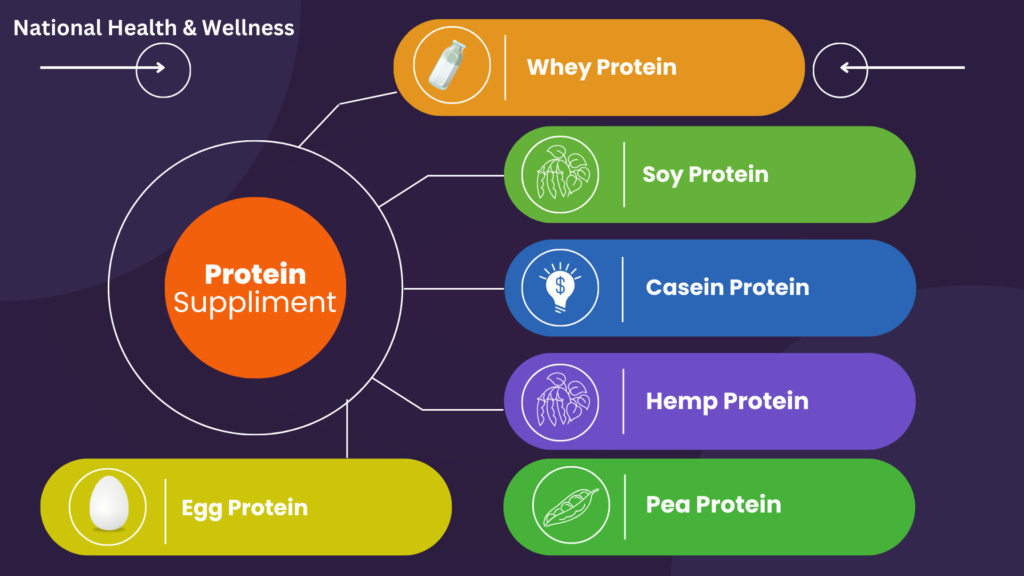
There are various types of protein used in supplements, each with its own benefits:
Whey Protein:
Derived from milk, whey protein is quickly absorbed and contains all essential amino acids. It is excellent for post-workout recovery and muscle building.
Casein Protein:
Also milk-derived, casein is slowly digested, providing a sustained release of amino acids. It’s ideal for nighttime use to support muscle repair during sleep.
Soy Protein:
A plant-based protein that contains all essential amino acids. It’s a good option for vegetarians and vegans.
Pea Protein:
Another plant-based option, pea protein is hypoallergenic and easily digestible.
Hemp Protein:
Rich in omega-3 fatty acids, hemp protein is a good plant-based option with additional health benefits.
Egg Protein:
Made from egg whites, it’s an excellent source of high-quality protein and is lactose-free.
Protein Content Per Serving
Check the label to see how much protein is provided per serving. Aim for a supplement that offers at least 20 grams of protein per serving, which is typically sufficient for most individuals to support muscle repair and growth.
Amino Acid Profile
The presence of essential amino acids, particularly branched-chain amino acids (BCAAs) like leucine, isoleucine, and valine, is important for muscle protein synthesis. Ensure the supplement contains a good balance of these amino acids.
Other Ingredients
Look for unnecessary fillers, artificial flavors, sweeteners, and additives. Choose a supplement with minimal ingredients and avoid those with high amounts of sugar or artificial ingredients.
Digestibility
Some people may experience digestive issues with certain protein sources. Whey protein isolate, for example, is more digestible and contains less lactose compared to whey concentrate. Look for supplements that include digestive enzymes, which can help improve protein absorption and reduce gastrointestinal discomfort.
Brand Reputation
Research the brand to ensure it has a good reputation for quality and transparency. Look for third-party testing and certifications, such as NSF Certified for Sport or Informed-Sport, which indicate the product has been tested for contaminants and banned substances.
Price and Value
While price is an important consideration, it shouldn’t be the only factor. Compare the cost per serving to determine the value. Sometimes, paying a bit more for a high-quality supplement can be more cost-effective in the long run due to better efficacy and fewer side effects.
Nutritional Differences: Flavored vs. Unflavored Protein Supplements
Caloric Content
Flavored protein supplements often have additional ingredients that increase their caloric content compared to unflavored versions. This is due to added sugars, flavorings, and sometimes fats to improve taste and texture.
Sugars and Sweeteners
Flavored supplements typically contain sugars or artificial sweeteners to enhance taste. While some may use natural sweeteners like stevia or monk fruit, others may include sucralose, aspartame, or high fructose corn syrup, which some individuals prefer to avoid.
Additives and Preservatives
To achieve specific flavors and maintain shelf stability, flavored protein supplements may contain additional additives and preservatives. These can include artificial colors, stabilizers, and emulsifiers, which may not be present in unflavored versions.
Protein Purity
Unflavored protein supplements often contain a higher concentration of pure protein per serving, as they lack the additional ingredients found in flavored versions. This means you may get more protein and fewer extra calories and additives.
Digestibility and Allergens
Flavored supplements can sometimes contain ingredients that might cause digestive issues or allergic reactions in some individuals. Those with sensitive stomachs or food allergies might prefer unflavored options to minimize potential issues.
Versatility
Unflavored protein supplements are more versatile in terms of usage. They can be added to a variety of foods and drinks without altering the flavor significantly, making them suitable for mixing into smoothies, oatmeal, soups, or baked goods.
Tips for Choosing the Right Protein Supplement
Assess Your Dietary Needs and Goals
Determine why you need a protein supplement. Are you aiming to build muscle, lose weight, or supplement a vegetarian or vegan diet? Your goals will influence the type of protein and specific product you choose.
Read Labels Carefully
Pay close attention to the nutrition facts and ingredient list. Ensure the supplement provides a good balance of protein, minimal added sugars, and no harmful additives.
Consider Flavor Preferences
If you have a strong preference for flavored supplements, choose those with natural flavors and sweeteners. Be aware of the potential nutritional trade-offs and choose a flavor you enjoy to ensure consistent use.
Trial and Error
It may take some experimentation to find the protein supplement that best suits your needs and preferences. Start with small containers or sample packs if available to test tolerance and taste.
Seek Professional Advice
Consult with a nutritionist, dietitian, or healthcare provider, especially if you have specific dietary needs, allergies, or health conditions. They can provide personalized recommendations based on your individual requirements.
Conclusion
Choosing the best protein supplement involves considering various factors, including the type of protein, protein content, amino acid profile, additional ingredients, whether the supplement is flavored manufactured or unflavored, and how protein powder manufactured? Understanding these elements can help you make an informed decision that aligns with your dietary needs, fitness goals, and personal preferences. Remember to read labels carefully, consider your specific health requirements, and consult with professionals if needed. With the right protein supplement, you can support your overall health and achieve your fitness objectives more effectively. For more tips on supplements and nutrition, stay tuned to our blog and share your experiences with protein supplements in the comments below!

